
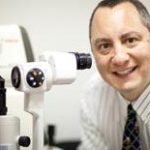
Dr Russel Lazarus, B.Optom (Hons) M.Optom
Consultant Optometrist, Clinical and Editorial Review
Dr Russel Lazarus graduated with honours in Optometry at the University of New South Wales, Sydney, Australia. He achieved his post-graduate Masters of Optometry qualifications in pediatric vision, vision therapy, myopia management, optometric neuro-rehabilitation, dry eye, advanced contact lenses and ocular pathology.
Dr Lazarus attended further studies for achieving membership Optometric Extension Program (OEP), Australian College of Behavioural Optometry (ACBO) and the College of Vision Development (COVD).
Dr Lazarus served as the Chief Optometrist at the Center for Eye Health and was selected to be part of the optometry teams for the Sydney Para-Olympic Games and Melbourne Commonwealth Games.
Dr Lazarus has 30 years of clinical and academic experience and is dedicated to evidence-based education to promote the latest published research to ensure patients receive the highest level of eye care possible.
-
 Retinoblastoma: How Did an Eye Exam Save a Child’s Life?This inspirational story highlights the importance of regular eye exams for the early detection of retinoblastoma. What is Retinoblastoma? In the United States, up to
 -
 Are Atropine Eye Drops The Answer For Worsening Myopia?We explore the use of atropine eye drops for managing myopia in children, discuss their benefits, disadvantages, and how they work. Myopia, or nearsightedness, is
 -
 Do African-Americans have a Higher Rate of Diabetic Eye Problems?Yes, research has shown that African Americans have the highest rates of diabetic eye disease. In this article, we will discuss the causes and risk
 -
 When Do Optometrists Use Intense Pulsed Light (IPL)?IPL or Intense Pulsed Light therapy is a popular treatment used by optometrists to address various eye conditions, especially those that are related to dry
 -
 Smart Contact Lenses that Diagnose and Treat GlaucomaGlaucoma is a leading cause of vision loss and blindness worldwide, affecting more than 60 million people globally. Early detection and treatment are crucial for
 -
 Guide to Holistic Eye Care for ChildrenAs a parent, you want the best for your children, and that includes their eye health. While you may be familiar with the importance of
 -
 Dry Eyes May Be More Harmful Than You ThinkDry eye syndrome (DES), also known as keratoconjunctivitis sicca, is a condition that causes the eyes to be chronically dry. This can occur either when
 -
 Take This Vital Step to Protect Your Eye HealthGlaucoma is one of the leading causes of blindness worldwide, but unfortunately, many people are unaware of this widespread disease – and miss the one
 -
 Claude Monet’s Art and the Impact of CataractsClaude Monet, a French Impressionist, is best known for his iconic paintings of water lilies underneath a Japanese bridge in his flower garden. He created
 -
 6 Dietary Tips For GlaucomaWhat is Glaucoma? Glaucoma is a group of eye diseases that are usually caused by elevated pressure inside the eye, known as IOP. Normal pressure
 -
 Are ‘Back-To-School’ Eye Exams Important?Children need excellent vision to succeed academically. What better way to start off the new school year than by ensuring that their most important learning
 -
 COVID-19Home > Primary Eye Care COVID-19 Does COVID-19 impact the eyes? Can COVID-19 be transmitted through the eyes? Is conjunctivitis a sign of COVID-19? Has
 -
 Guide to Corneal ConditionsCorneal disease or infection can lead to scarring or discoloration— affecting the cornea’s normal function, and causing major vision loss and even blindness. Corneal disease that results in corneal scarring is a common cause of monocular and bilateral blindness in children and young adults.
 -
 Guide to Retinal DiseasesRetinal diseases cause damage to any part of the retina. Untreated retinal diseases can lead to severe vision loss and even blindness. With early detection, some retinal diseases can be treated, while others can be controlled or slowed down to preserve, or even restore vision.
 -
 Why Are My Contact Lenses Uncomfortable?Over 15% of the population wears contact lenses, but many experience discomfort and give up too soon. Do your eyes itch, burn or tear when
 -
 Retraining the Brain Post-ConcussionOver 23% of the population experiences a concussion during their lifetime and suffer with life-long consequences. Up to 90% of traumatic brain injury (TBI) patients
 -
 Vision Problems from Multiple SclerosisMultiple Sclerosis impacts the lives of over 140 in 100,000 people. Multiple sclerosis (MS) is a disease where the immune system attacks the healthy nerve
 -
 Is there Scientific Evidence that Vision Therapy Works?Vision therapy has been proven effective for improving many binocular vision conditions. The Convergence Insufficiency Treatment Trial (CITT) showed how office-based vision therapy is beneficial.
 -
 What is the Position of Educators on Vision Therapy?According to the National PTA, more than ten million students suffer from vision problems – that may cause them learning difficulties in school. Just as
 -
 Are Orthoptics and Vision Therapy the Same Thing?The terms ‘vision therapy’ and ‘orthoptics’ are often used interchangeably. However, they are not the same thing. Vision therapy is a customized treatment program that
 -
 Can Vision Therapy Help with Learning Problems?Up to 80 percent of all learning comes through visual pathways. A person’s vision allows them to see items both close and far away. There
 -
 Contact Lenses for ReadingTired of wearing reading glasses? You may want to consider wearing contact lenses. As we grow older, our vision begins to change. Almost everyone develops
 -
 Vision Therapy: When will I See Improvements?Over 15% of the population can benefit with vision therapy. Did you know that vision therapy can improve eye teaming, visual processing, focusing, visual tracking
 -
 What Age is Too Late for Vision Therapy?Adult patients of any age can benefit from vision therapy as they are more motivated. Ophthalmologists (eye surgeons) frequently emphasize the importance of correcting a
 -
 Vision Therapy: What Happens at an In-Office Session?Over 15 million people in the US suffer from a vision problem requiring vision therapy. Since certain vision problems cannot be entirely treated with contact
 -
 Vision Therapy: What is the Time Commitment?Vision therapy can change you or your child’s life in a few weeks. The science of achieving clear and comfortable vision is known as vision
 -
 What is the Youngest Age to Start Vision Therapy?Vision therapy is essential for infants and children to ensure their eyes develop correctly and to avoid life-long vision problems. The first few years of
 -
 6 Tips for Healthy Eyes after 50When you reach 50 there are your body changes, including your eyes. These tips will help you maintain healthy eyes and clear vision. Getting older,
 -
 Swimming in Contact LensesIs it safe to wear contact lenses while swimming in a pool, lake or ocean? The simple answer is: No. Wearing contact lenses while submerged
 -
 Reading Glasses and Contact LensesTired of wearing reading glasses? You may want to consider wearing contact lenses. As we grow older, our vision begins to change. Almost everyone develops
 -
 What is a Vertical Deviation?Vertical deviation (DVD) is an eye condition that causes eye strain, fatigue and even migraines. If you experience headaches or your office or school performance
 -
 BVD and Learning DifficultiesOver 50% of children who experience reading difficulties have binocular vision dysfunction (BVD), a treatable eye condition. If your child has been diagnosed with ADD/ADHD
 -
 Bacterial ConjunctivitisMore than 12% of children will have bacterial conjunctivitis each year. When your eyes are sore, look pink and there is a sticky discharge, you
 -
 Do I have Bell’s Palsy?Over 40,000 people in the United States are affected by Bell’s Palsy every year. Bell’s palsy is a condition that causes temporary facial muscular weakening
 -
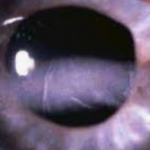 Corneal Band KeratopathyCorneal band keratopathy is a corneal disease often described as ‘Swiss cheese’ because of its white and holey appearance. Band keratopathy is a disorder that
 -
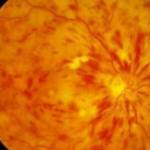 Central Retinal Vein OcclusionOver 2.5 million adults are affected by CRVO, every year. The central retail vein drains all the blood from the retina, carry away carbon dioxide
 -
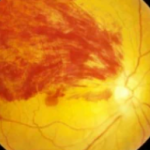 Branch Retinal Vein OcclusionOver 13.9 million adults are affected by branch retinal vein occlusion (BRVO) globally. Blood is carried throughout your body, including your eyes, through arteries and
 -
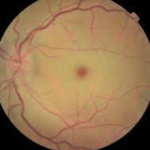 Retinal Artery OcclusionRetinal artery occlusion (RAO) is an eye emergency and causes sudden vision loss in over 2 people per 100,000 every year. The retinal nerve layer
 -
 Teens, Smoking and BlindnessA staggering 95% of teens are unaware smoking can lead to blindness. Most people are aware that smoking raises the risk of developing cancer, heart
 -
 What is Blepharospasm?Over 5 per 100,000 individuals experience blepharospasm every year. Is it serious? Blepharospasm is a rare condition that causes your eyelid to involuntarily blink or
 -
 Do I have Floppy Eyelids?Blepharochalasis, or floppy eyelids, impacts the lives of over 200,000 people in the U.S. Blepharochalisis, also known as Floppy Eyelid Syndrome, is a condition that
 -
 Black Eye from an Eye InjuryHave you ever been hit in the eye? If so, you know that a black eye is often inevitable. A black eye, often referred to
 -
 Can Outdoor Time Prevent Myopia?Over 2.6 billion people worldwide have myopia. Can spending time outdoors reduce myopia progression? With the prevalence of myopia (nearsightedness) on the rise, it’s critical
 -
 Why is Dry Eye Worse in the Mornings?Over 50% of adults suffer with dry eyes. It’s difficult enough to get out of bed in the morning, but waking up with stinging, burning
 -
 Does Blue Light affect Children?Does your child stare at a computer screen for hours at a time? It could be affecting their eyes. There’s some controversy about the topic
 -
 Did Vision Problems Impact Famous Artists?Many famous artists, including Rembrandt, Monet and Degas, struggled with vision problems. Analyzing the differences in color selections and techniques used by artists over the
 -
 Stroke Recovery and Neuro-OptometryOver 66% of all strokes cause vision loss. Visual dysfunction after a stroke can range from bothersome to immobilizing permanent vision loss, and can have
 -
 Light Sensitivity After a Brain InjuryAccording to Optometry and Vision Science, over 40% of people with a brain injury are sensitive to light. People who have experienced a concussion may
 -
 Consequences of Untreated Dry EyesUp to 15% of all adults suffer with dry eyes. Increase the quality of your tears and improve the quality of your life. What is
 -
 Understanding Low VisionMore than 1 billion people worldwide live with low vision. If the best vision a person can achieve with medical treatment, surgical procedures, or prescription
 -
 Back to School Eye ExamsThe American Optometric Association (AOA) reports that 75% of school vision screenings miss vision problems, and 61% of children with vision problems never see an
 -
 Accommodative Esotropia: Real PatientsAccommodative esotropia usually presents itself in children from age 2 and older. The most prevalent type of childhood strabismus (eye turn) is accommodative esotropia. As
 -
 What Is Accommodative Esotropia?The College of Optometrists in Vision Development (COVD), reports that up to 1 in 50 children have esotropia. A sudden eye turn at ages 2-3
 -
 Why Test for 3D Vision?3D vision tests allow eye doctors to diagnose lazy eye, eye turns and other vision problems. If you or your child has difficulties with 3D
 -
 3D Vision Is More Important than You ThinkAccording to i-Perception Magazine, 32% of the population has difficulties with 3D vision. Do you have difficulties with judging distances or depth? Does your car
 -
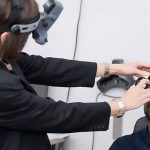 Retinal Holes and TearsRetinal holes and tears affect over 10% of the population. The retina is the thin, inside lining of the eye that is light-sensitive and generates
 -
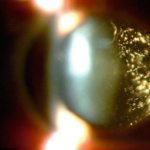 Asteroid HyalosisApproximately 1 in every 200 people will be diagnosed with asteroid hyalosis during their lifetime. Most people believe that if they have a problem with
 -
 Are my Eye Pupils Different?Up to 20% of the population is affected by unequal pupil sizes, known as anisocoria. Anisocoria is an eye condition where the pupils, the black
 -
 The Importance of Pupil ExamsThe pupil is not just a black hole inside your eye – it is a guide to your eye and brain health. The amount of
 -
 Convergence ExcessAccording to the American Optometric Association, convergence excess affects over 7% of children, which can impact a child’s ability to learn. The eyes have six
 -
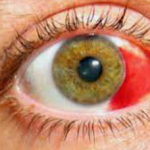 Subconjunctival HemorrhageIf you’ve noticed blood on the outside of your eye, it is most likely a subconjunctival hemorrhage. In a large population-based survey (Nationwide Study in
 -
 RetinoblastomaRetinoblastoma occurs in 1 in 20,000 children, making it the 10th most common pediatric cancer. Retinoblastoma is a rare form of eye cancer that develops
 -
 Retinal DetachmentOver 28,000 cases of retinal detachment occur every year. Retinal detachment is sight-threatening retinal disease and occurs when the retina separates from the back of
 -
 Ocular HypertensionUp to 6 million adults in the USA are at increased risk of developing glaucoma due to ocular hypertension. Ocular hypertension represents the highest known
 -
 Myokymia (Eye Twitch)Has your eyelid suddenly begun to twitch? If so, then you’ve experienced a condition called myokymia. Myokymia, eyelid twitching, affects only the eyelid, this spasm
 -
 Migraine and Visual AurasMigraine sufferers report that over 30% also experience visual auras. A migraine with aura is a recurring severe headache that occurs after or at the
 -
 Accommodative DysfunctionAccommodative dysfunction is an eye focusing difficulty that can impact a child’s school grades. What is accommodation? Accommodation is simply another way of describing the
 -
 What is Acanthamoeba?Acanthamoeba can enter the body through an open wound and cause massive brain swelling resulting in death in about 95% of those infected. Acanthamoeba is
 -
 KeratitisKeratitis is a serious corneal inflammation that affects the lives of up to over 70,000 people every year. What is keratitis? Keratitis is a common
 -
 Corneal Abrasion (Scratched Cornea): Symptoms & TreatmentA corneal abrasion, also called a scratched cornea is one of the most common eye injuries. What is the cornea? The cornea is the clear
 -
 Anterior UveitisUveitis is a sight-threatening eye disease causing 30,000 new cases of legal blindness annually in the USA and accounts for 15% of all causes of
 -
 What Is a Chalazion?Do you have a lump in your eyelid, and not sure what it is? It could be a chalazion. Luckily, a chalazion isn’t a serious
 -
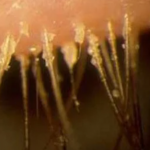 Do I Have Blepharitis?Blepharitis is a common eyelid condition that affects up to 47% of all adults. Blepharitis is an eyelid inflammation, which causes red, swollen eyelids and
 -
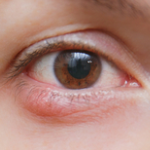 What Is a Stye?A stye is a bacterial infection inside your eyelid. Styes can be contagious as it’s possible to transmit bacteria from one person to another just
 -
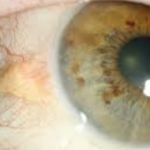 What Is a Pinguecula?Pinguecula are found in over 47.9% of the adult population. This eye condition might be hard to pronounce, but according to Eye Magazine (2020), it
 -
 Science Needs CompassionHave you ever wondered if the smile of a nurse or the bedside manner of a doctor actually increase the chances of positive treatment results?
 -
 Stanford University: Concussions and the EyesThe visual system plays a crucial role in the diagnosis and treatment of concussions. This month, a presentation was given by Dr. Jamshid Ghajar, MD,
 -
 Myopia Management: Children and Digital DevicesOn average in the United States, children ages 8-12 spend 4-6 hours a day watching or using screens, and teens spend up to 9 hours.
 -
 Myopia Management: The Optical StrategyMyopia management options have slowed the rate of myopia progression by 30% to 80%. Myopia, also known as nearsightedness, occurs when the eye elongates, and
 -
 Myopia Management: Does Atropine Work?Atropine eye drops may slow down the progression of myopia in children. Myopia, also known as nearsightedness, is the inability to see things clearly unless
 -
 Myopia Management: The Alarming Rise in Global PrevalenceThe National Health and Nutrition Survey data shows that the prevalence of myopia worldwide has nearly doubled from 25% in 1972 to 42% in 2002.
 -
 Myopia Management: Is Daylight the Answer?1.9 billion people, worldwide, have been diagnosed with myopia … could spending time outdoors be a solution? With the prevalence of myopia, it’s critical for
 -
 Going Skiing – Remember Your Polarized SunglassesAbout to buy a new pair of sunglasses before hitting the ski slopes? You may want to read this first! Did you know that snow
 -
 8 Ways to Help Winter Dry EyesHarsh winter weather is commonly linked to dry and itchy skin, but did you know that cold weather can cause dry eyes? Follow these 8
 -
 How Does COVID-19 Impact Our Eyes?With millions of cases of COVID-19 worldwide, doctors are learning more and more about the COVD virus and its impact on our eyes. Recent studies
 -
 New Research for Adults with Lazy EyeAmblyopia, also known as “lazy eye”, is a vision problem that affects both children and adults. With the advancement of vision therapy technologies, adult patients
 -
 5 Tips to Improve your GameWhether you’re trying out for a high school sports team or a professional athlete, these 5 tips can help you improve your game. Whether you’re
 -
 Suffering with Frequent Headaches?If you suffer from frequent headaches you may have Binocular Vision Dysfunction (BVD). While this may sound concerning, try not to let yourself worry too
 -
 My Child Dislikes On-Line LearningThe COVID-19 pandemic has children learning through digital platforms for up to 7-10 hours a day! But what can you do when your child complains
 -
 Building Your Child’s ConfidenceIf your child has been struggling in school, they may also be struggling with their confidence and self esteem. Many children who suffer from reduced
 -
 BVD Can Cause AnxietyAnxiety disorders affect millions of people each year. But did you know that certain vision problems can actually trigger anxiety? Binocular vision dysfunction (BVD), a
 -
 Hamburgers, Eye Turns and Vision Therapy?A ‘hamburger’ is created when pieces work better together, than on their own … but what is this to do with eye turns and vision
 -
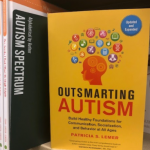 Outsmarting AutismIf you child has autism, vision therapy might just be what you have been looking for. Many children with autism (ASD) suffer years of undiagnosed
 -
 Vision Therapy after a StrokeThis case study briefly outlines the benefits of vision therapy following a stroke. *Names have been changed for privacy Daniel, aged 62, was suffering with
 -
 Improving your Child’s Self EsteemMany children suffer with low self esteem, which can dramatically improve after completing a program of vision therapy. Many children are labelled as lazy learners,
 -
 David Struggled for 10 YearsCollege students and adults can also benefit with vision therapy. The true story below serves as an example of the benefits of including eye doctors
 -
 Convergence Insufficiency and ReadingParents of school-age children who struggle with reading and learning are often searching for solutions. One of the most frequent questions asked by parents is,
 -
 Headaches and Vision Therapy: Top 5 Q&AMore than 15 percent of adults complain of severe headaches or migraines. A headache is described as an achy pressure in the forehead, temples and
 -
 5 Tips for COVID19 and EyestrainDue to COVID-19, the amount of ‘screen time’ has increased significantly, as online education and Zoom are now part of everyday life. Almost 60 percent
 -
 When is Blurred Vision a Medical Emergency?A problem with any part of the eye can suddenly cause blurred vision. Slowly progressive blurred vision is usually caused by long-term medical conditions. Sudden